


Last Updated: November 14, 2026
Quick Summary
Yes, wrinkle-resistant fabric can feel stiff, but stiffness comes from the finish and construction, not the technology itself. A well-made wrinkle-resistant piece should feel crisp at most, not boardy, and it softens with wear and washing.
- Treated fabrics feel stiffest right out of the dryer, especially on high heat.
- Wash on a gentle cycle, skip fabric softener, and use low heat or air-dry.
- Body heat and movement soften fibers within an hour or two of wearing.
- The scrunch test shows soft fabric springing back with shallow creases.
- Lightweight blends with a touch of stretch resist creasing while staying soft.
Table of Contents
- The Short Answer: When Wrinkle-Resistant Fabric Feels Stiff
- Does Wrinkle-Resistant Fabric Feel Stiff After Washing?
- Side-by-Side: Treated Cotton, Untreated Cotton, and Synthetic Blends
- The Best Fabric for Wrinkle Resistance Without the Stiffness
- Wrinkle-Resistant Fabric Pros and Cons
- How to Soften Stiff Fabric and Keep It Soft
- How to Judge Hand-Feel Before You Buy
- Choosing Wrinkle-Resistant Pieces That Feel Soft From Day One
- Frequently Asked Questions
The Short Answer: When Wrinkle-Resistant Fabric Feels Stiff
Yes, wrinkle-resistant fabric can feel stiff, but stiffness is a side effect of how the fabric was finished and constructed, not a requirement of the technology. A well-made wrinkle-resistant piece should feel crisp at most, not boardy, and it should soften with wear and washing.
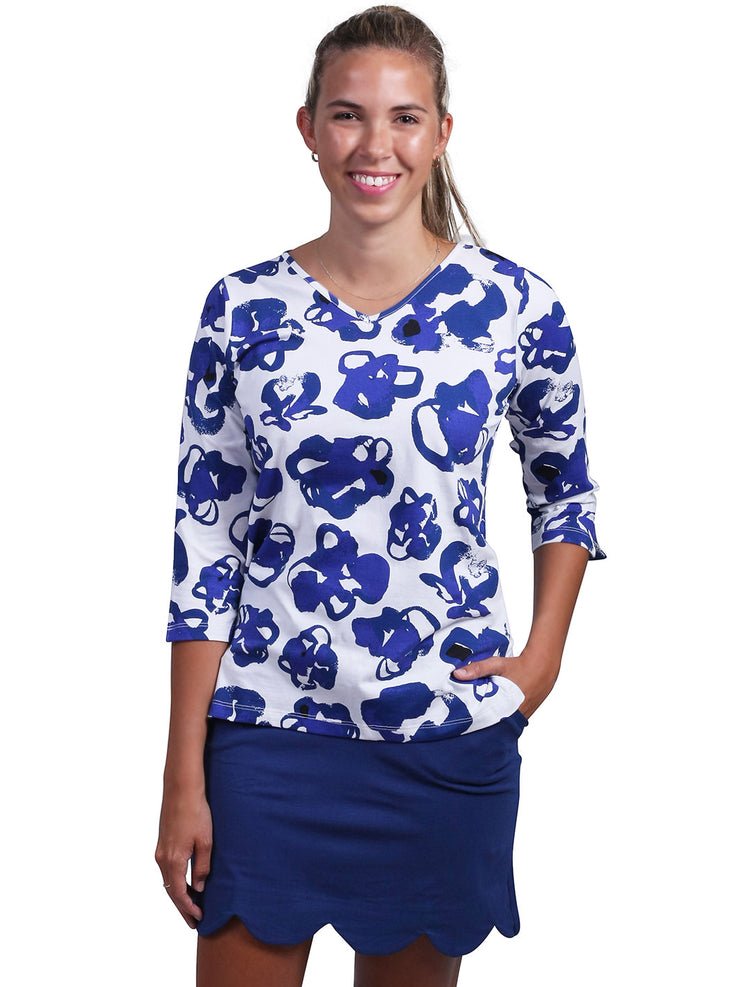
Wrinkle-resistant fabric is fabric treated or constructed to resist creasing and hold its shape through packing, wearing, and washing. The finish that makes this possible often creates a crisp or firm hand-feel.
What Actually Drives Stiffness
The finish. Many wrinkle-resistant cottons get a resin treatment, sometimes called a durable-press finish, that cross-links fibers so they spring back into shape instead of creasing.
The fiber. Fiber resilience, the ability of fibers to bounce back after folding, does most of the work.
The weight. Lighter fabrics drape and move more. Heavier fabrics feel more substantial but can read as stiff, especially in structured weaves.
The weave or knit. Looser weaves and knits drape more softly than tight twills.
The Feel Spectrum: Crisp vs. Boardy vs. Plasticky
- Crisp: A clean, slightly firm finish, like a freshly pressed shirt. This is normal, often desirable, and usually relaxes within a wear or two.
- Boardy: Stiffer than crisp, with little drape. The fabric holds its shape almost like paper and does not relax much with body heat. This usually points to a heavy resin finish or a tight, heavy weave.
- Plasticky: A slick, synthetic surface that does not breathe well and can feel clammy. This usually points to a high synthetic content or an over-applied surface finish.
Crisp is a feature; boardy and plasticky are warning signs of an over-treated or low-quality fabric. Knowing the difference tells you whether the fix is laundering (for crisp) or returning the piece (for boardy or plasticky).
How Stiffness Changes With Washing and Wear
Treated fabrics feel stiffest right out of the dryer, especially on high heat, because heat can set the finish and tighten the fibers. Most soften noticeably after a few gentle washes and wears, and body heat and movement soften fibers within an hour or two of wearing. If a garment still feels boardy after several washes and wears, the finish is too heavy for your taste, no amount of fabric softener will fix it.
The Trade-Off You Are Actually Making
Wrinkle resistance is not free. The same finish and tight construction that hold a crease out also reduce airflow and drape.
- Maximum wrinkle resistance tends to come with a crisper hand-feel and lower breathability, good for structured pieces and formal travel, less good in heat or for sensitive skin.
- Maximum softness and breathability tends to come with more creasing, good for everyday comfort and hot climates, less good if you need to look pressed without an iron.
- The middle ground is a lightweight resilient blend in a relaxed weave: enough crease recovery to pack, enough softness and drape to wear all day.
Choose based on climate, skin sensitivity, and formality rather than wrinkle performance alone. A traveler in a hot, humid climate will usually be happier with a softer, more breathable blend and a few touch-up wrinkles than with a boardy fabric that traps heat.
Does Wrinkle-Resistant Fabric Feel Stiff After Washing?
Often, yes, at first. Many wrinkle-resistant fabrics feel stiffest right out of the dryer, especially on high heat, which can set the finish and tighten the fibers.
The fix is simple. Wash on a gentle cycle, skip the hottest dryer setting, and pull the piece out slightly damp.
Stiffness after washing usually fades with wear: body heat and movement soften the fibers within an hour or two.
Side-by-Side: Treated Cotton, Untreated Cotton, and Synthetic Blends
| Fabric | Hand-Feel | Wrinkle Resistance | Breathability | Best For |
|---|---|---|---|---|
| Treated cotton | Crisp to firm | High | Good | Polished looks, structured pieces |
| Untreated cotton | Soft, relaxed | Low | Excellent | Everyday comfort, casual wear |
| Synthetic blend | Smooth, slick | High | Fair | Travel, quick-dry needs |
Treated cotton wins on polish but can feel firm. Untreated cotton feels lovely but creases fast. Synthetic blends resist wrinkles and dry quickly, though they can trap heat. Stretch blends sit in the middle, offering softness with shape retention.
For a deeper look at which fibers perform best on the road, our guide to the best fabric for travel clothes compares materials in more detail.
The Best Fabric for Wrinkle Resistance Without the Stiffness
The best fabric for wrinkle resistance without stiffness is a lightweight blend that pairs natural fibers with a touch of stretch or a soft synthetic component.
What makes them work? Fiber resilience, the ability of fibers to bounce back after folding, does most of the heavy lifting.
Construction matters as much as fiber.
This is where fabric choice becomes personal. Our collection of wrinkle-resistant travel clothing for women is built around exactly that balance.
Wrinkle-Resistant Fabric Pros and Cons
Pros:
- Packs light and comes out of a suitcase ready to wear
- Holds shape and looks polished with minimal effort
- Cuts down on ironing and garment care on the road
Cons:
- Some resin finishes can feel firm or reduce breathability
- Over-treated fabrics may feel plasticky against skin
- Stiffness can show up right after washing
The pros outweigh the cons when you choose a well-made piece. Check the finish and hand-feel before you commit, not after.
How to Soften Stiff Fabric and Keep It Soft
You can soften a stiff wrinkle-resistant garment and keep a soft one that way. The method is mostly about heat and how you dry.
- Wash on a gentle cycle with mild detergent
- Skip fabric softener, which can coat the finish
- Use low heat or air-dry instead of high heat
For a full routine that keeps clothes smooth without stiffness, see our guide on how to pack clothes to prevent wrinkles.
Watch out: high dryer heat is the most common cause of a stiff, set finish.
How to Judge Hand-Feel Before You Buy
You can predict stiffness before you spend a cent by combining a few quick physical checks with a read of the label and product description, since fiber content, weight, and weave tell you most of what your hands will feel.
The Physical Checks
- The scrunch test: Squeeze the fabric in your fist for a few seconds, then let go. Soft fabric springs back smoothly with shallow creases; stiff fabric stays creased or feels rigid and slow to recover.
- The drape check: Hold the garment up by the shoulders. Good drape falls in soft folds; stiff fabric stands out awkwardly and holds a shape of its own.
- The rub test: Rub the fabric between your fingers. A slick, plasticky feel signals a heavy synthetic finish or a high synthetic content; a dry, slightly rough feel usually means a natural fiber with a lighter finish.
Read the Label and the Product Description
The label is your best proxy when you are shopping online. Look for fiber content, finish descriptions, and care instructions.
- Fiber content: Blends with a bit of stretch or a soft synthetic component usually feel softer than treated all-cotton. High synthetic content raises the risk of a slick, plasticky feel and lower breathability.
- Finish language: Descriptions such as "soft," "brushed," "garment-washed," or "peached" point to a lighter hand-feel. Descriptions such as "crisp," "structured," or "holds its shape" point to a firmer one.
- Weight and weave: A lightweight poplin, lawn, or voile will feel softer and drape more than a midweight twill or canvas made with the same finish. Looser weaves and knits feel softer than tight twills.
- Care instructions: A label that calls for low heat or air-drying is often a hint that the finish is heat-sensitive and will stiffen on high heat.
Compare the Three Main Options Side by Side
| Fabric | Hand-Feel | Wrinkle Resistance | Breathability | Best For |
|---|---|---|---|---|
| Treated cotton | Crisp to firm | High | Good | Polished looks, structured pieces |
| Untreated cotton | Soft, relaxed | Low | Excellent | Everyday comfort, casual wear |
| Synthetic blend | Smooth, slick | High | Fair | Travel, quick-dry needs |
Treated cotton wins on polish but can feel firm. Untreated cotton feels lovely but creases fast. Synthetic blends resist wrinkles and dry quickly, though they can trap heat. Stretch blends sit in the middle, offering softness with shape retention.
Skin Sensitivity and Finish Considerations
If you have sensitive skin, pay attention to the finish and care label. Some resin finishes can feel scratchy or cause irritation, and a plasticky synthetic surface can trap heat and moisture against the body. Check the care label for washing instructions and finish warnings, and wash new pieces before wearing them. If a garment irritates your skin, stop wearing it and consult a dermatologist rather than assuming the fabric is the cause.
Try Before You Commit
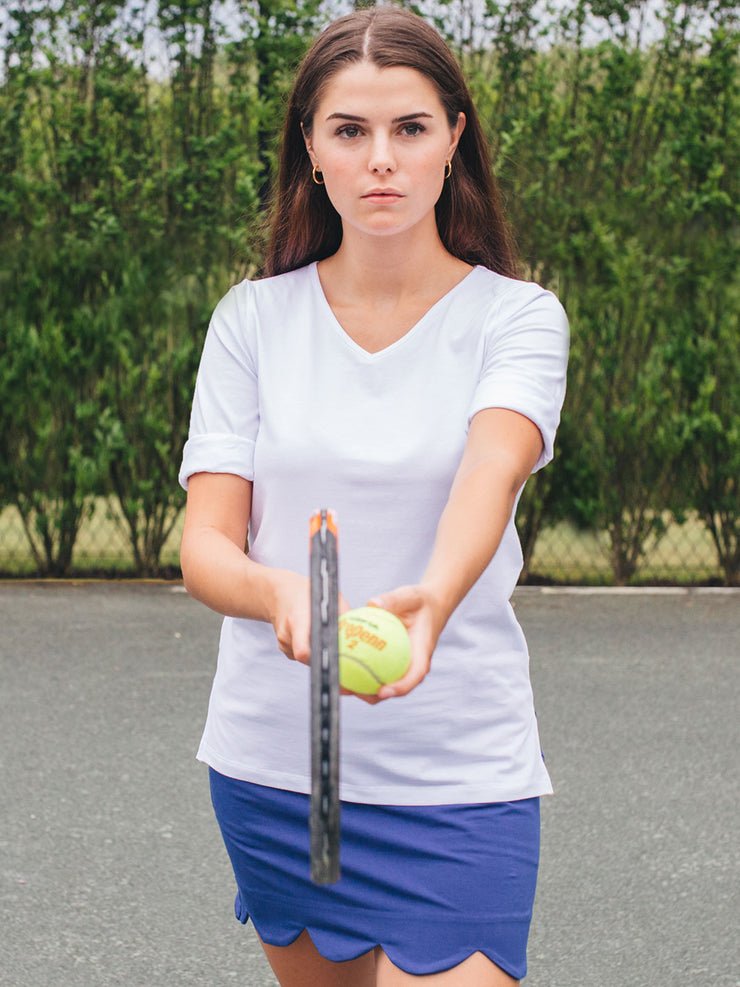
If you are shopping in person, feel the fabric firsthand and use the scrunch and drape tests on the actual garment you will buy, not a display piece that has been handled for weeks. If you are shopping online, order from brands that describe their finish honestly and have a clear return policy, so you can test the hand-feel at home and send back anything that feels boardy or plasticky. Our Anaclare tops are a good place to compare softness and wrinkle resistance side by side.
Choosing Wrinkle-Resistant Pieces That Feel Soft From Day One
Buy pieces that feel soft the moment you touch them, then care for them so they stay that way.
At AnaClare, we design resort and activewear with easy-care, wrinkle-resistant fabrics that move from the golf course to dinner. Our pieces also feature built-in UPF 50+ sun protection and original tropical prints.
Ready to travel lighter? Browse our dresses to find soft, wrinkle-resistant pieces that work from beach to dinner.
Frequently Asked Questions
What is the best fabric for wrinkle resistance?
Polyester and nylon blends top the list for wrinkle resistance because synthetic fibers spring back to shape after folding or packing. Treated cotton with a durable-press finish also resists creases well, though it can feel crisper than untreated cotton. Wool and silk resist wrinkles naturally but need gentler care. For travel, a polyester-cotton blend often balances smoothness, breathability, and easy laundering.
Does wrinkle-resistant fabric feel stiff after washing?
It can feel stiffer right out of the wash, especially if you use hot water or over-dry it. Heat can set the resin finish and make the fabric feel boardy. Wash in cold or warm water on a gentle cycle, skip fabric softener (it coats the fibers), and tumble dry low or air-dry. Most wrinkle-resistant fabrics soften after two or three washes as the finish relaxes. If stiffness lingers, a short soak in cold water with a quarter cup of white vinegar can help.
How can you make stiff wrinkle-resistant clothes softer?
Start with a cold-water wash and a low-heat dryer cycle. Add half a cup of white vinegar to the rinse to break down finish residue. Avoid bleach and fabric softener, which can build up and stiffen fabric over time. For cotton blends, a ten-minute tumble on low with two clean tennis balls helps fluff the fibers. If the garment still feels stiff, hand-wash it and air-dry it partially before finishing on low heat. Repeat once or twice and the hand-feel usually improves.
What are the disadvantages of wrinkle-free cotton?
Wrinkle-free cotton often uses a formaldehyde-based resin finish that can feel crisp or stiff and may irritate sensitive skin. The treatment can also reduce breathability and lower tear strength, so the fabric may wear out faster than untreated cotton. Over time, the finish can yellow or crack. If you have sensitive skin, look for finishes labeled formaldehyde-free or choose untreated cotton and embrace a few wrinkles. Washing new wrinkle-free pieces before wearing them also reduces surface residue.

Leave a comment